
By Lucky Isibor
Journalists have been urged to shun inflammatory rhetoric, hate speech, misinformation and sensational reporting capable of heightening political tension and undermining national unity, particularly during electoral processes.
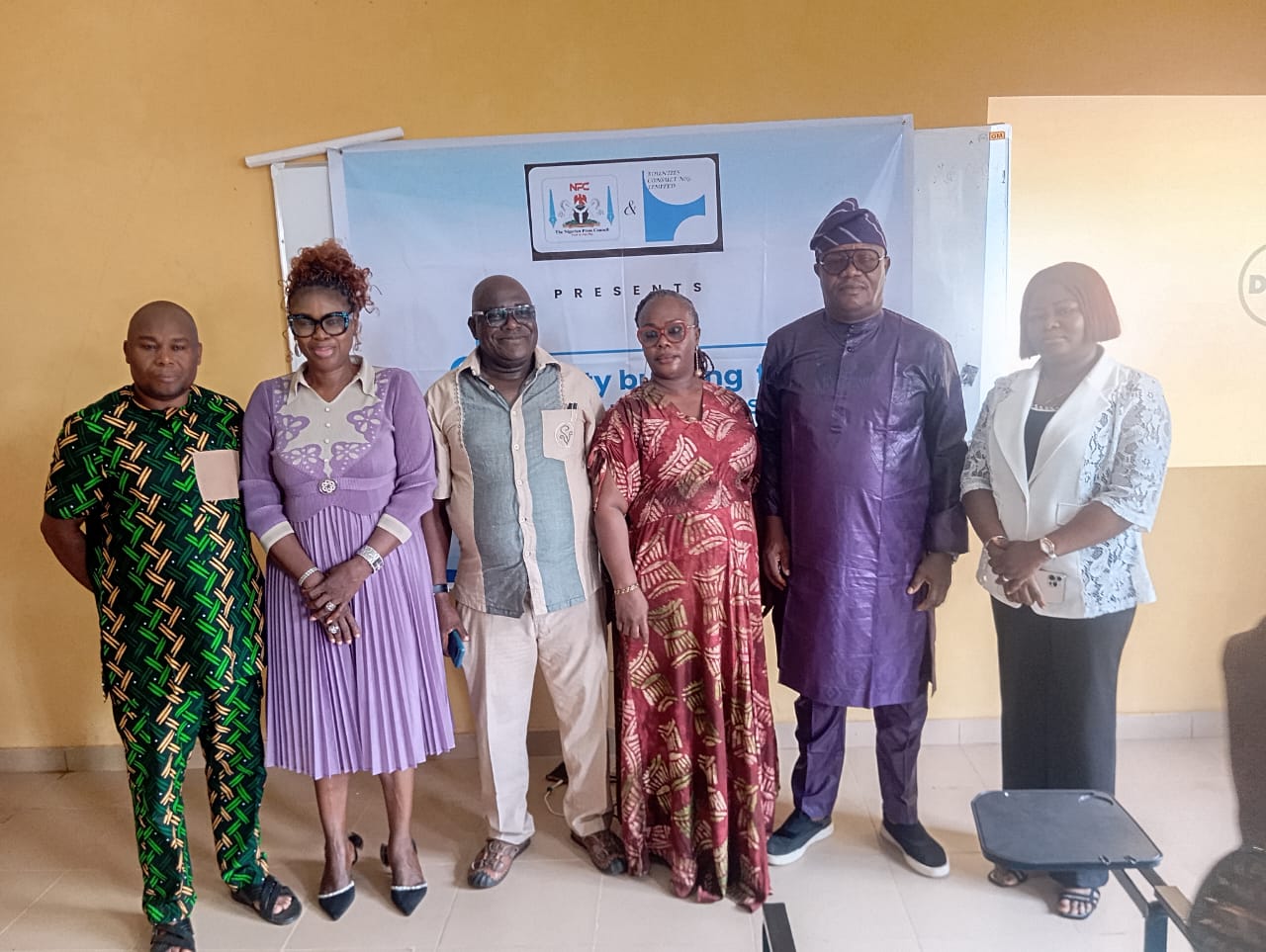
The Executive Secretary of the Nigerian Press Council (NPC) Dr. Dili Ezughah, gave the charge in Benin City during a two-day capacity-building workshop for journalists in the South-South geopolitical zone, with the theme, “From Inflammatory Rhetoric to National Cohesion: Redefining Mass Communication Practice in the Age of Electoral Conflict.”
Ezughah who was represented by Mrs. Chinyere Facah
Director, Public Relations in the Council said the media, as a critical pillar of democracy, must go beyond informing, educating and entertaining the public to actively promoting peaceful coexistence, national unity and democratic values.
He warned that the misuse of media platforms to amplify hate speech, inflammatory statements, misinformation and divisive narratives could fuel tension, deepen societal divisions and threaten the democratic process.
According to him, the workshop was designed to strengthen the capacity of journalists to navigate the challenges of electoral reporting, embrace conflict-sensitive journalism and adopt responsible media practices that promote national cohesion emphasising that “the media remains a critical pillar of democracy. Beyond informing, educating and entertaining the public, journalists have a responsibility to promote peaceful coexistence, national unity and democratic values. However, when media platforms are used to amplify hate speech, inflammatory statements, misinformation and divisive narratives, they can inadvertently fuel tension, deepen societal divisions and undermine the democratic process.
“As the media regulator, the Nigerian Press Council recognises the need to continually engage media practitioners on the importance of professionalism, ethical journalism, accuracy, fairness, balance and responsibility in their reporting.”
He stressed that the growing influence of the media in shaping public opinion, especially during electioneering campaigns and periods of political tension, made it imperative for journalists to exercise caution and professionalism in the discharge of their duties.
Ezughahfurther emphasised that freedom of expression must be accompanied by a strong sense of responsibility, urging journalists not to allow themselves to become instruments of political propaganda.
“I wish to emphasise that freedom of expression must go hand in hand with responsibility. Journalists must remain vigilant against the temptation to sensationalise political developments, publish unverified information or become instruments of political propaganda. Our responsibility is to inform the public accurately, hold those in authority accountable and contribute meaningfully to peaceful democratic participation.
“This workshop therefore provides an opportunity to examine the challenges associated with electoral reporting, strengthen conflict-sensitive journalism, promote responsible use of digital media and encourage media practices that contribute to national cohesion rather than division.”
The NPC Executive Secretary encouraged participants to take advantage of the presentations, discussions and practical engagements lined up for the workshop, noting that their experiences and contributions would help strengthen journalism practice in Nigeria.
“I encourage all participants to take full advantage of the presentations, discussions and practical engagements lined up for this workshop. I also urge you to share your experiences and contribute ideas that will strengthen journalism practice in Nigeria.
“It is my sincere hope that the knowledge gained from this workshop will translate into improved professional conduct and a renewed commitment to journalism that promotes peace, unity and national development.”
Meanwhile, the Edo State Government has reaffirmed its commitment to strengthening its partnership with media organisations and ensuring journalists have access to credible government information.
The State Commissioner for Information and Strategy, Prince Kassim Afegbua, stated this in a goodwill message delivered on his behalf by the Director of Information in the Ministry, Mrs Maurine Nwine.
Afegbua commended the Nigerian Press Council for organising the workshop, describing it as timely and relevant to the promotion of national cohesion, particularly during electoral processes.
He said the administration of Governor Monday Okpebholo recognised the media as an indispensable partner in governance, democratic consolidation and sustainable development.
“The Edo State Government, under the purposeful leadership of His Excellency, Senator Monday Okpebholo, recognises the media as an indispensable partner in governance, democratic consolidation and sustainable development. This administration is committed to building and sustaining a strong, transparent and mutually beneficial partnership with journalists and media organisations.
“We will continue to provide timely access to credible government information, promote regular engagement between government officials and media practitioners, facilitate constructive dialogue and support professional development initiatives that enhance the capacity of journalists. We believe that the media must not only report government activities but also provide constructive feedback, amplify citizens’ concerns and hold public institutions accountable.”
He added that the state government was committed to a relationship with the media founded on mutual respect, trust, transparency and shared responsibility for the development of Edo State.
The Commissioner also urged journalists to uphold professional ethics and ensure their reportage promoted peace rather than division.
“As gatekeepers of public information, journalists have a responsibility to uphold professionalism, accuracy, fairness and ethical standards in their reportage. The media must serve as an instrument of peace, unity and national development, rather than fuel division through inflammatory rhetoric.
“I therefore encourage participants to take full advantage of this opportunity to deepen their understanding of conflict-sensitive reporting and their role in promoting peaceful electoral processes.”
Also speaking, the Vice-Chancellor of the University of Benin (UNIBEN), Professor Edoba Omoregie, expressed appreciation to the Nigerian Press Council for selecting the institution among universities in the South-South geopolitical zone to benefit from the training programme.
Omoregie, who was represented by the Dean of the Faculty of Mass Communication, Professor Marcel Okhakhu, said the workshop would equip participating students with the knowledge and professional skills required to excel in journalism practice after graduation.
He noted that the training would be beneficial not only to the students in their academic pursuits but also in their future careers as practising journalists.
Accordingt to theVice-Chancellor, “journalism is not just the reporting of events, but responsible reporting of those events, with accuracy, fact-checking, and ensuring that what is put out does not create panic, but creates cohesion.
“What a journalist puts out must first be believed by the journalist before expecting others to believe it.”
He expressed confidence that the workshop would positively influence the participants’ understanding of responsible journalism and prepare them for the ethical demands of the profession.
The two-day workshop is part of the Nigerian Press Council’s efforts to strengthen professional standards, promote ethical journalism and equip media practitioners with the skills required to report conflict-sensitive issues responsibly, especially in an increasingly polarised political environment.